
Stone Sentinels Above the Moors
Today we explore the history and conservation of Peak District trig pillars, those steadfast concrete markers that helped map Britain and still guide countless walkers. Discover how they were built, why they matter, what threatens them, and how your photos, reports, and respectful visits can keep them standing strong.

From Vision Lines to Nationwide Maps
Long before satellites quietly refined positions from space, surveyors built a lattice of intervisible points across high ground. The Peak District’s broad skylines, sweeping edges, and tough moorland made perfect perches for precise angles. From these heights, triangulation stitched valleys, villages, and rights of way into accurate, trustworthy maps for everyone.
Peaks, Edges, and Stories Etched in Concrete
Every pillar carries local character. On ridgelines where curlews call and heather bends, these weathered columns gather bootprints and memories. They witness sunrises over cold valleys, quick sandwiches behind lee sides, and friendships begun while sharing chocolate, compass bearings, and laughter about soggy socks the map never warned anyone about.
Kinder Low: A Meeting Point in the Mist
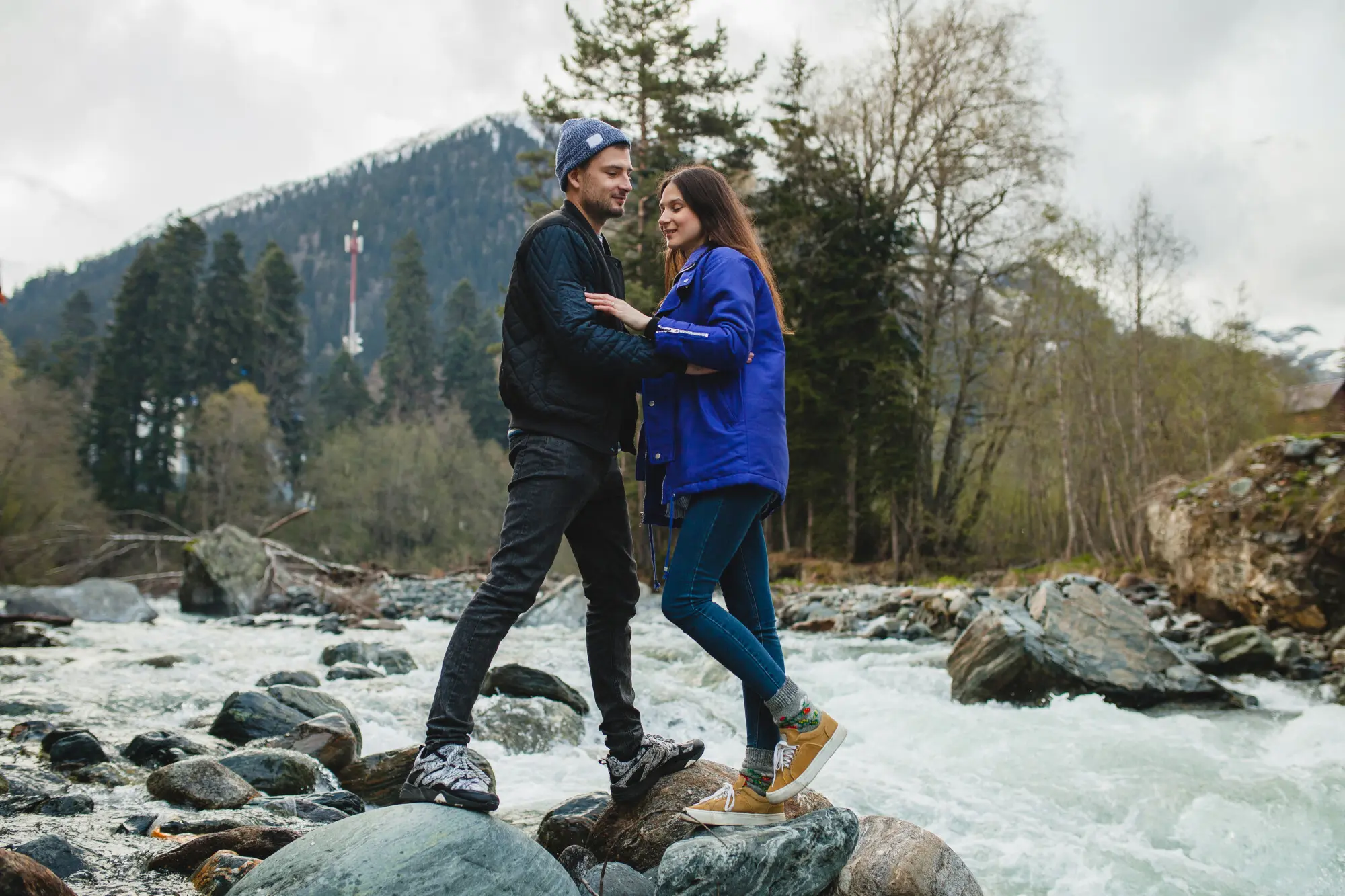
When cloud drops without warning, the Kinder plateau blurs into grey. More than once, friends have drifted apart among groughs, then reconvened at the pillar on Kinder Low, chilled yet relieved. That concrete presence, sturdy and calm, becomes an agreed beacon, where stories, gloves, and renewed plans pass between grateful hands.
Mam Tor: Families, Wind, and a Quick Reward
A short climb from Mam Nick rewards newcomers with a pillar that greets strollers, school groups, and jubilant toddlers. Gusts tug at hats while the Hope Valley opens dramatically below. Here, many first taste the joy of uplands, pose for photos, and learn how small steps reach wide, unforgettable views.
Shining Tor and Axe Edge: Skylines Above Buxton
Along these broad shoulders the land offers huge skies, the Cheshire Plain glittering in distance, and bucolic hints of dairy fields. The pillars stand slightly scuffed yet proud, anchors to earlier sightlines that once leapt ridge to ridge. Pause, breathe, and imagine lamplight flickers carrying measurements across the sleeping hills.
Weather, Wear, and the Quiet Threats
Freeze–Thaw and Moorland Winters
Water sneaks into microcracks, then expands as ice, prying apart aggregate and weakening corners. Repeated cycles roughen surfaces and loosen the top plate. On exposed ridges, driven sleet accelerates erosion. Maintenance must respect original materials while strengthening weak points, balancing durability with breathability so trapped moisture does not worsen hidden damage.

Footfall, Desire Lines, and Bare Peat
Popular pillars attract footsteps that radiate outward, widening paths and scarring vegetation. On fragile peat, each shortcut nibbles more soil, channeling water and deepening ruts. Without careful path design, pitching, and seasonal sensitivity, the setting that frames each pillar’s dignity degrades, harming wildlife, views, and the very experience visitors cherish.
Graffiti, Missing Plates, and Metal Theft
Painted tags can trap moisture; harsh solvents burn the surface. Unscrewed plates or stolen flush brackets strip identity and stability, erasing historic data. Small damages quickly cascade. Better than shaming online is timely reporting, volunteer cleanup using appropriate methods, and supporting partnerships that quietly deter crime through care, visibility, and community pride.
Navigate with Respect and Confidence
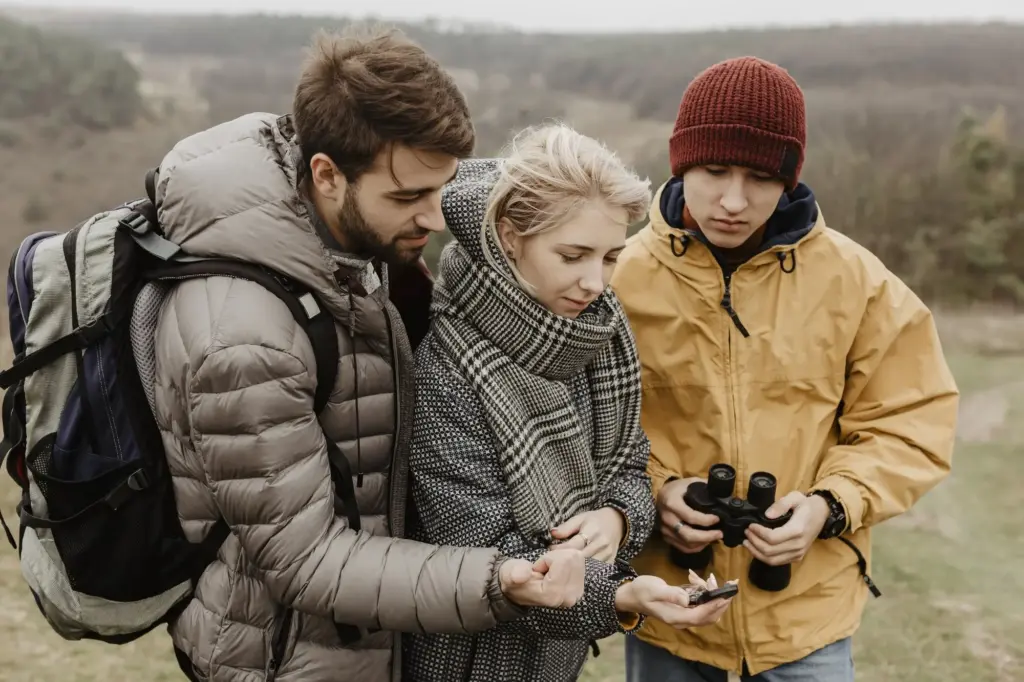
Before setting off, study contours, escape routes, and stream crossings. Load waypoints but also memorize handrails and timing. Carry a paper map in a waterproof case and a well-practiced compass. At the pillar, confirm position, update decisions, and choose routes that match conditions, energy, daylight, and group confidence, not just ambition.
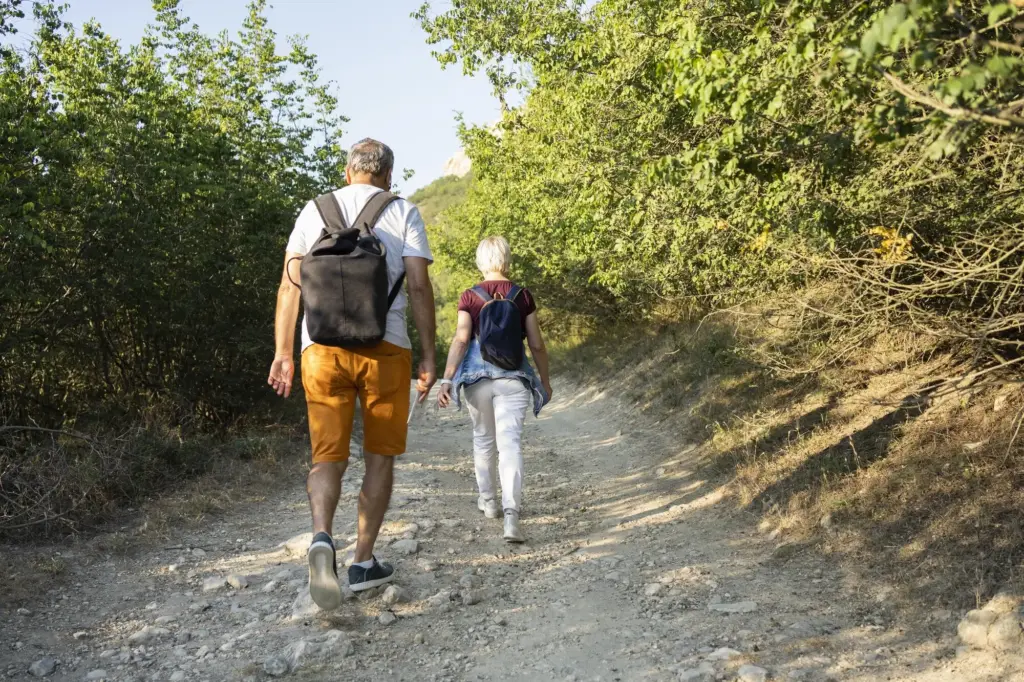
Spring ground-nesters, autumn rains, and winter ice all reshape priorities near summits. Keep dogs close, step lightly, and yield space when rangers request diversions. When crowds gather at a pillar, wait patiently, grab a quick photo, and move aside, choosing rest spots that shelter peat and plants while still welcoming conversation.
Frame your shot without climbing the pillar or trampling nearby vegetation for a wider angle. Natural light at golden hour flatters concrete and sky, while a small human figure adds scale. Share locations responsibly, credit volunteers, and invite friends to visit on established paths, proving beauty thrives when care travels with images.
Heritage in a GNSS World
Today, the Ordnance Survey’s OS Net quietly hums with permanent GNSS stations, yet those concrete columns still anchor memory and identity. They speak of camp smoke, careful angles, and national cooperation. Preserving them means valuing craft, embracing modern tools, and telling stories that connect precise measurements with human courage upon windy ridges.
From Cold Ashby to Kinder Low
Britain’s great retriangulation began in 1936 with a now-famous pillar at Cold Ashby. Soon, high points across the Peak District joined the network, linking summits through neat triangles. Visiting Kinder Low today, you stand within that lineage, where meticulous observation once translated midnight lamps into daylight trust across every map.
Listing, Recording, and Local Pride
Not every pillar enjoys formal protection, yet many communities adopt care informally. Parish groups, historians, and walkers document numbers, conditions, and dates, creating living archives. That pride matters. It deters damage, motivates grants, and helps decision-makers balance access with preservation when weather, visitor pressure, and time all pull in different directions.
Digital Stories and Future Trails
Imagine scannable plaques near busy paths linking to oral histories, maintenance notes, and safe approaches. Augmented routes could highlight distant intervisibility lines without encouraging off-path wandering. Digital layers turn quick visits into deeper engagement, inviting respectful explorers to subscribe, submit memories, and help steward these landmarks for the next thoughtful generation.
Routes to Wonder: Three Uplands Circuits
Choose journeys that celebrate pillars while protecting their settings. Favour established paths, check weather windows, and avoid saturated peat. Carry spare layers and generosity for weary walkers. Return with stories, photos, and gentle advice that encourages patience at summits, tidy lunches, and kindness that lingers like sunlight after a clearing squall.
All Rights Reserved.