Linking Stone Sentinels: Peak District Trig Pillar Circuits on the Run

We’re lacing up for Trail Running Circuits Connecting Peak District Trig Pillars, turning iconic Ordnance Survey concrete into playful checkpoints across edges, moors, and valleys. Expect practical routes, navigation wisdom, gritty training ideas, and stories that breathe with wind, peat, and gritstone. Grab a map, charge your headtorch, and come tag stones with a smile.

Start Small, Breathe Deep

Short loops reveal how edges, trods, and valleys stitch together, offering confidence before bigger linkups. We’ll balance runnable gradients with punchy climbs, highlight reliable water, and signpost friendly cafés near stations. Each idea respects conservation work, waymarks, and weather realities, building joyful rhythm while keeping escape options simple if clouds drop or legs protest.

Navigation When Paths Blur into Bog

On open moorland, confidence thrives on preparation. Carry a paper OS map and reliable compass, and practice bearings before mist and rain arrive. Phones and watches help, yet batteries fade and signals vanish. Memorize escape valleys, time checkpoints, and track pace so pillars appear as expected, even when groughs, hags, and fog conspire against clarity.

Grid References that Stick Under Pressure

Drill six-figure references for key junctions, pillars, and exits, saying them aloud while tracing lines with a finger. Pair numbers with meaningful landmarks—streams, walls, and cairns—so memory anchors endure cold hands and wind. Rehearse on sunny days, then verify in clag, converting practice into calm action when visibility collapses and nerves threaten progress.

Micro-Features Around the Pillars

Some pillars sit beside walls, while others crown hummocks beyond eroded trods. Noting subtle clues—fence corners, duckboards, boundary stones—shrinks the final search. In darkness, count pacing steps from attack points, scan silhouettes, and listen for wind tone changing over exposed tops, transforming uncertainty into a patient, purposeful walk that preserves momentum and warmth.

Night Legs and Emergency Choices

When stars replace skylines, simplify. Shorten legs, hold firm bearings, and avoid complex grough mazes. Carry a spare headtorch, whistle, bivvy, and enough calories to wait out weather. If doubt magnifies, descend to known tracks, call time compassionately, and learn from the choice, ready to return safer and stronger on a clearer day.

Strength and Flow on Grit and Peat
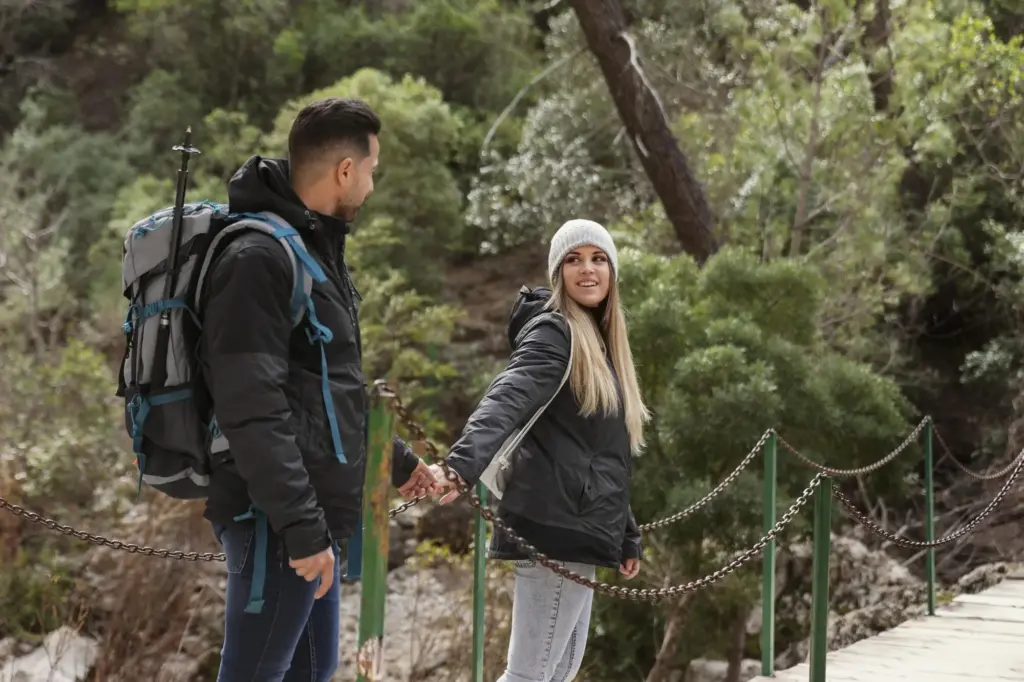
Legs love rhythm on long edges and open moor. Build resilience through hill reps, tempo efforts on forgiving trails, and playful strides across tussock. Add conditioning for ankles, hips, and core to handle cambers and slabs. Blend curiosity with patience, so efficiency grows quietly and your smile lasts from first climb to final pillar.

Climbing Economy on Slabs and Heather
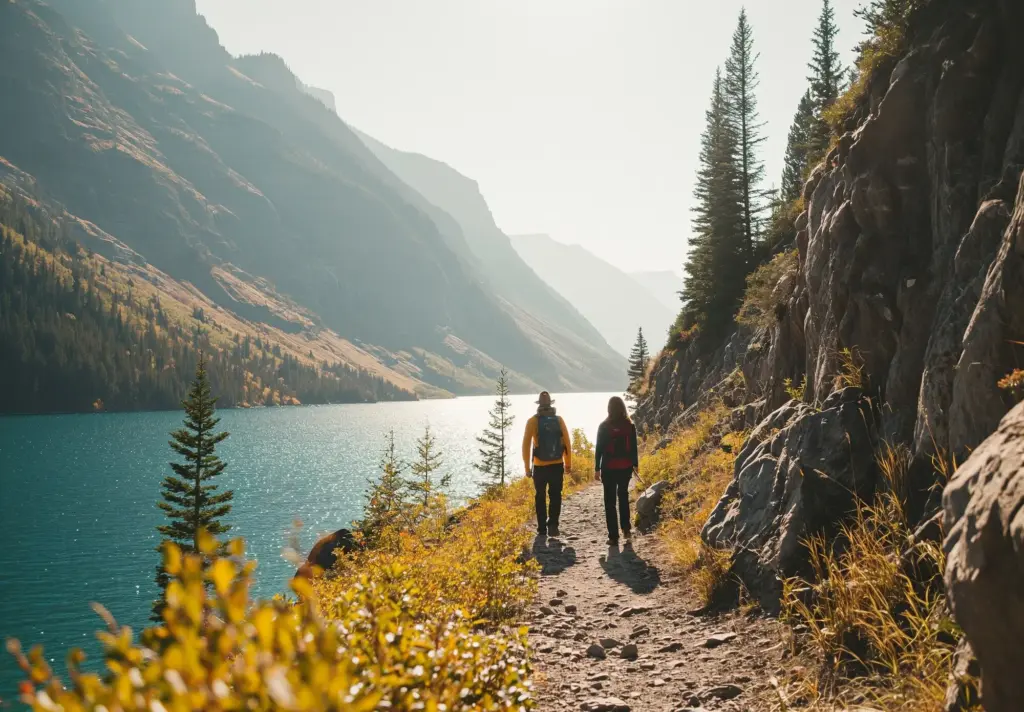
Choose a cadence you can hum, leaning slightly forward as feet land softly under hips. On stone flags, keep steps quick to spread impact; in heather, aim for firm islands. Poles can help on long drags, but train without them too, preserving nimble posture when weather steals hands from straps or gloves.

Descending Without Burning the Quads

Eyes scan two or three moves ahead while arms balance like quiet wings. Loosen knees, land lightly, and let gravity carry, braking briefly where rocks loosen or peat slumps. Practice foot placement drills on gentle slopes, then graduate to rougher ground, guarding freshness for later pillars without sacrificing playful confidence and flow.

Fog on Kinder Low and a Lesson in Patience

A summer squall smothered the plateau, and chatty plans went suddenly quiet. We slowed, counted steps, and felt the map rather than forced it. The pillar emerged exactly where trust predicted, teaching that calm teamwork shortens distances better than frantic rushing when sky and ground merge into shifting, echoing, gently unnerving sameness.

Black Hill Restored and Spirits Lifted

Years ago, the approach to Soldier’s Lump felt lunar, boots swallowed by peat wounds. Conservation boards now guide runners across healing moor, and the whitewashed pillar celebrates patient restoration. That first dry-footed visit brought tears, gratitude, and a promise to tread thoughtfully, because shared landscapes remember both careless scars and careful, hopeful footsteps.

Peat Protection and Kinder’s Boardwalk Choices
Brown Knoll’s and Kinder’s flagstones exist for a reason: fragile soils breathe easier when feet choose firm surfaces. On wetter days, resist tempting shortcuts that braid into scars. Photograph restoration signs, share explanations with friends, and let pride grow from small, repeated decisions that keep wild places resilient for storms, birds, and future runners.

Wildlife, Seasons, and Sharing Space

From curlew calls to lambing fields, calendars matter. Some access areas request diversions; read notices, smile at farmers, and accept gentle detours. Keep noise low at dawn, stash headphones, and enjoy conversations with weather and wind instead. Consider dusk-free schedules during nesting, trading one spectacular sunset for countless mornings where life safely continues.

Travel Light, Spend Local, Give Back

Arrive by train when possible—Edale, Hope, Hathersage, and Glossop open wonderful doors. Buy snacks from village shops, tip generously, and thank staff who rescue many cold afternoons. Offer route notes, volunteer at path days, and share GPX files responsibly, proving love through thoughtful choices that uplift communities maintaining the landscapes we cherish.

Stepping Stones Toward the Dark Peak Fifteen
The famous fifteen-pillar circuit demands stamina, calm navigation, and a generous weather window. Start with clusters—Kinder, Stanage, and Derwent—then increase length and complexity. Recce unfamiliar legs, sleep well, and nurture patience, because arriving prepared turns daunting distances into steady sequences of runnable decisions connected by laughter, snacks, shared maps, and quiet confidence.

Linking Edges by Rail, Bus, and Brave Curiosity
Build imaginative circuits that start and finish at different stations, turning public transport into a playful constraint. Hathersage to Edale via Stanage and Kinder inspires novel lines, reduces car parks strain, and invites café celebrations. Share timetables, contingencies, and GPX notes, empowering others to explore responsibly while discovering friendships between maps, trains, and moors.

Share, Subscribe, and Shape What Comes Next

We invite your voice. Post questions, route tweaks, transport tips, and triumphant photos from wind-lashed pillars. Subscribe for fresh circuits, safety workshops, and meetups. Comment generously, celebrate beginners, and volunteer expertise. Together we craft kinder miles, braver navigators, and a spirited community ready to connect more stone sentinels under changing skies and smiling hearts.
Fexovexotarixari
Privacy Overview

This website uses cookies so that we can provide you with the best user experience possible. Cookie information is stored in your browser and performs functions such as recognising you when you return to our website and helping our team to understand which sections of the website you find most interesting and useful.