First Steps Into Trig Point Adventures Across the Peak District

We’re focusing on A Beginner’s Guide to Trig Point Bagging in the Peak District, inviting curious walkers to discover these concrete waypoints, their mapping legacy, and the fun of collecting visits. Expect straightforward planning tips, friendly safety advice, approachable starter routes, and community ideas that build confidence, celebrate progress, and turn your first pillar visits into meaningful, memorable days exploring moorlands, ridges, and edges beneath big skies and ever-changing weather.

Understanding the Concrete Sentinels

Those square-shouldered pillars you spot on windswept summits are practical, storied landmarks connecting your footsteps to Britain’s mapping history. Built for precise triangulation before satellites, they still reward walkers with views, milestones, and gatherings of memories. In the Peak District, dozens punctuate edges and moors, lending structure to days out while offering tiny celebrations at each cold concrete cap where wind, gritstone, and sky meet.

From Triangulation to GPS: A Short History

Throughout the mid-twentieth century, surveyors used intervisible pillars to fix the nation with painstaking accuracy, sighting steel theodolites across great triangles. Though satellite positioning replaced those methods, the network remains a physical storybook. Each pillar whispers of rain-lashed surveys, dogged patience, and the collaborative geometry that let paper maps become beautifully trustworthy companions.

Spotting a Pillar: Shapes, Plates, and Benchmarks

Look for a sturdy concrete column, usually chest-high, with a metal socket on top that once cradled instruments. Many wear a numbered flush bracket, sometimes weathered or moss-softened, hinting at a unique identity. Around them, you may find remnants of low witness posts or subtle stones. Some are scarred, some repainted, all recognizable by their quiet, utilitarian grace against the horizon.
Why Bag Them: Motivation, Milestones, and Meaning

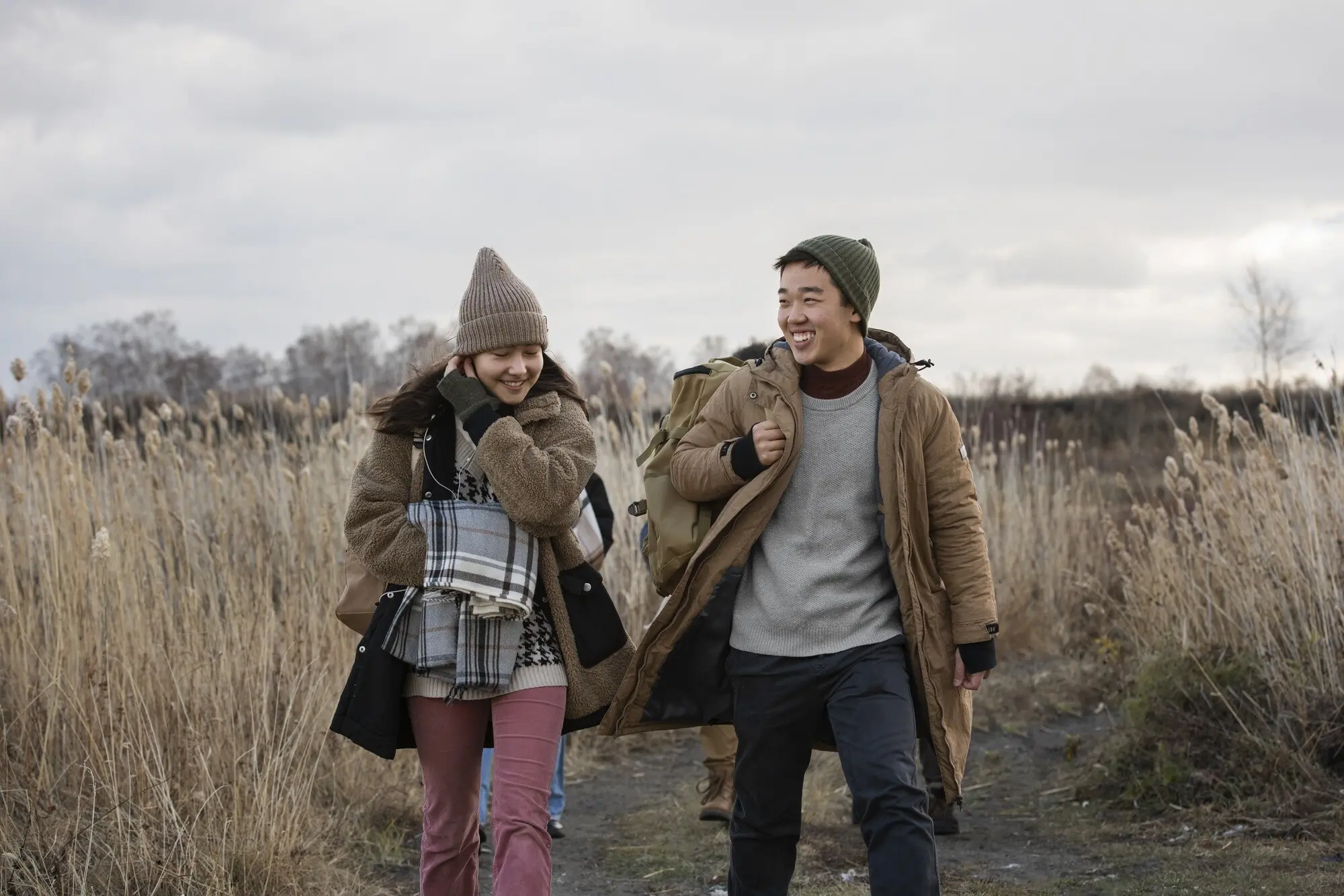
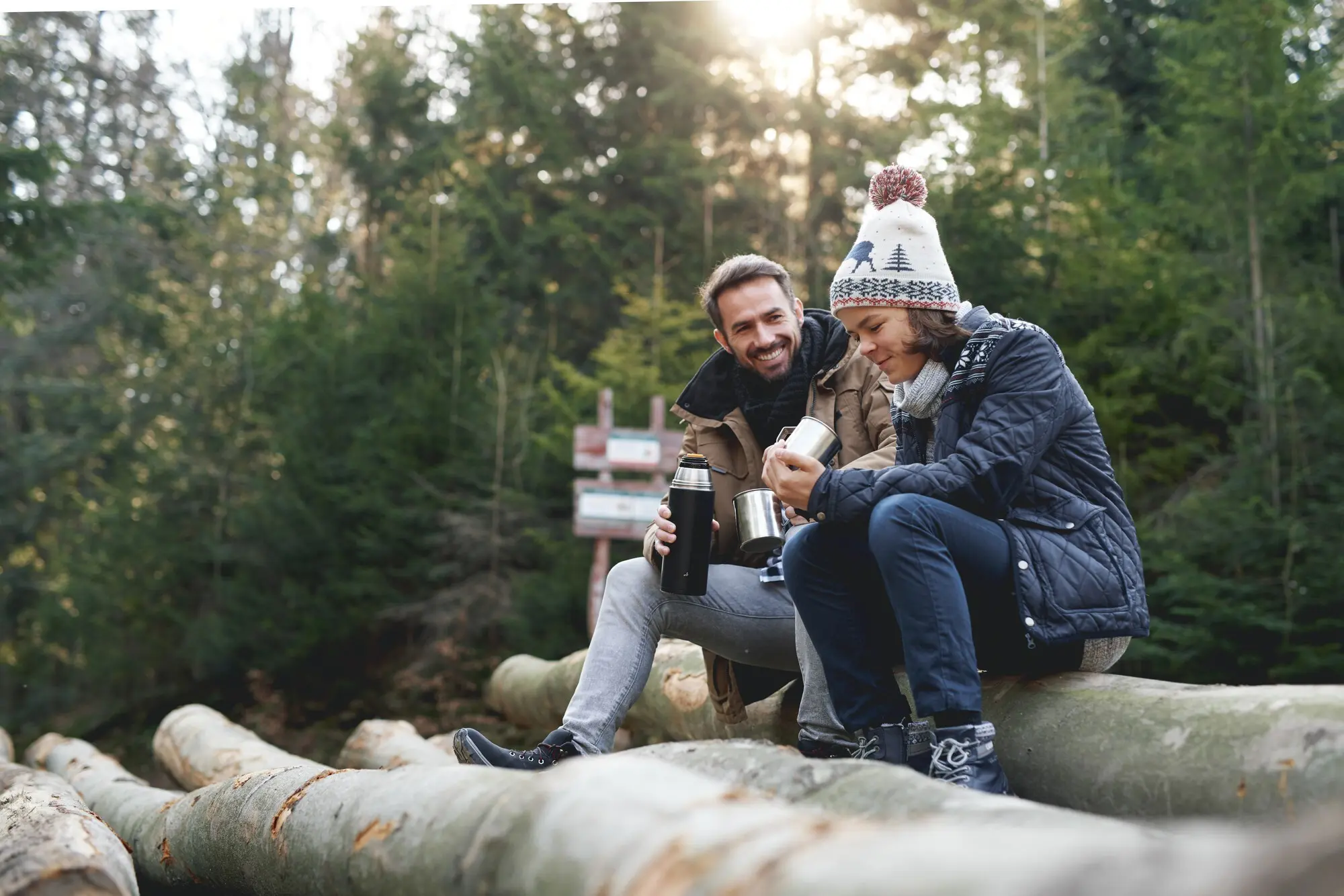
Collecting visits gives shape to weekends and a gentle push to leave the car park and wander a little further. Pillars make measurable goals, teach navigation, and reward persistence with views that gather in your journal. Each visit becomes a story: a burst of sun through rain, a shared flask at the top, a satisfying click of a camera beside weathered concrete.
Footwear and Clothing That Forgive Beginner Mistakes

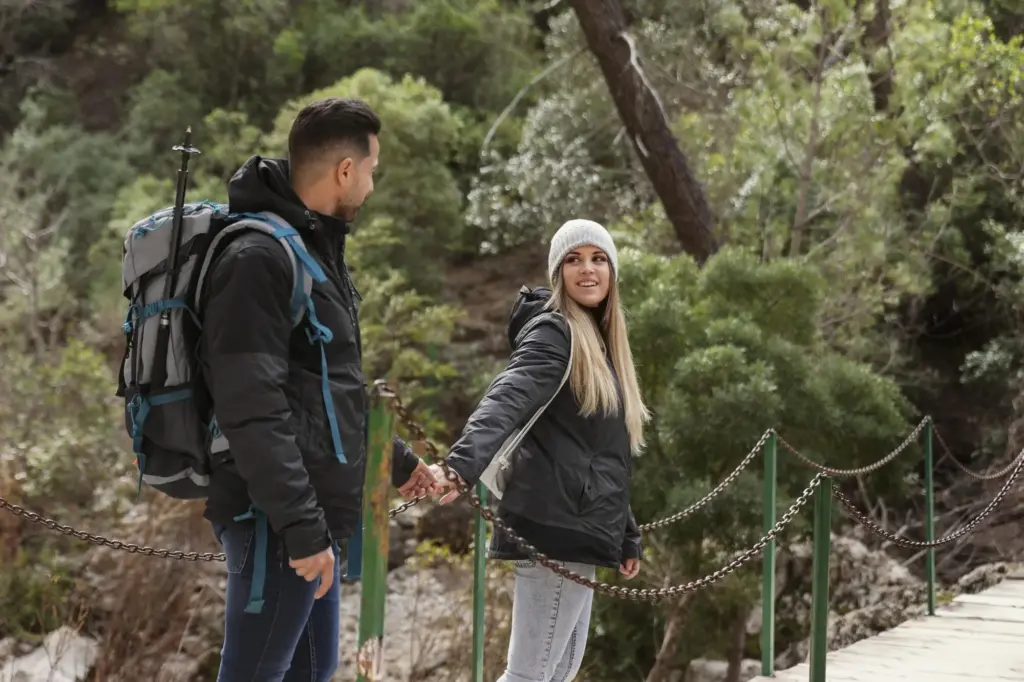
Choose boots that fit snugly without pinching, ideally with ankle support and a grippy sole for wet gritstone and peat. Add wicking base layers, a warm mid-layer, and a breathable waterproof that handles gusty showers. A cap, gloves, and spare socks weigh little yet lift morale when wind bites or streams surprise your path after moorland rain.

Navigation Tools: Paper, Phone, and Backup Power

Carry a detailed map and a simple compass, practicing basic orientation before paths blur on open moor. Complement them with a trusted phone app, downloaded maps, and a small power bank. Keep devices warm in cold weather to protect battery life. Paper never dies, apps add speed, and together they turn uncertainty into empowering, confident decisions when clouds roll in.

Small Essentials That Save the Day

Pack two liters of water, snacks that still taste good in rain, a lightweight headtorch, a whistle, and a compact first-aid kit. Add blister plasters, sunscreen, and a bright emergency layer. A sit-mat keeps breaks cheerful on damp stone. Ziploc bags protect phones and maps. These tiny choices make breezy summits friendlier and long descents kinder to tired feet.

Finding Your Way on Moor and Edge

Peak District navigation blends clear ridges with subtle moorland puzzles. Edges offer handrails for easy orientation; plateaus demand calm confidence. Learn to interpret contours, spot reliable features like walls and streams, and form tidy habits around bearings, pacing, and timing. Accept weather as a partner, adjusting plans with humility, and you will arrive at each pillar with poise rather than luck.

Reading the Landscape Like a Friendly Map

Start by tracing the shape of hills with your finger on the contour lines, then look up and match slopes, spurs, and valleys to reality. Use edges, fences, and obvious paths as guiding handrails. Identify catching features that prevent overshooting. These simple habits anchor your attention, helping every decision feel deliberate rather than hurried or second-guessed.

Contours, Bearings, and Pacing Made Simple

Contours tell stories of steep effort and gentle respite. Practice counting lines to predict climbs, then take short, consistent steps to manage energy. For bearings, keep it practical: set, check, and walk a confident line to an unmistakable feature. Estimate distance with pacing and time, updating plans when conditions slow you. Small calibrations build big self-belief.

Mam Tor and the Great Ridge: Big Views, Gentle Learning

Start from Mam Nick and follow the stone-paved path to the summit pillar, then stroll the Great Ridge toward Hollins Cross. The terrain is welcoming, the views huge, and wayfinding intuitive. Celebrate at the trig, note grid references, practice bearing checks, and enjoy discovering how a famous viewpoint can still teach fresh lessons about wind, layers, and pacing.

Stanage and High Neb: Gritstone Drama, Easy Navigation

Park near Hook’s Car or approach from Hathersage, then follow the obvious edge path to High Neb’s pillar. The route is linear, views expansive, and rock scenery unforgettable. Use boulders, walls, and the cliff edge as dependable handrails. Notice how small course corrections around crags hone your movement choices while the pillar waits calmly beyond sculpted gritstone tors.

Forecasts, Checkpoints, and Turning Back Proudly

Read the forecast for wind speed, visibility, and precipitation, then decide in advance when to shorten or switch routes. Set checkpoints at obvious features, reassessing energy and daylight. Turning back is not defeat; it is practiced wisdom that protects future adventures. The pillar will wait, and returning with better conditions often brings safer miles and clearer, brighter memories.

Emergencies: Communication and Location That Actually Help

If something goes wrong, dial 999, ask for Police, then Mountain Rescue, and give a precise grid reference. Apps assist, but learn to read and share coordinates from a paper map too. What3Words can supplement, not replace, accurate grid details. Conserve battery, shelter from wind, and stay put when advised. Calm clarity speeds help across ridges, cloughs, and boggy plateaus.

Respect for Wildlife, Farmers, and Fragile Ground

Keep dogs on leads near livestock, skirt around marshy patches to prevent widening scars, and avoid disturbing ground-nesting birds during breeding seasons. Close gates, follow waymarks, and pass quietly. Leave No Trace principles fit perfectly here: pack out litter, pause to notice habitats, and choose rests on durable surfaces. Respect grows belonging, deepening every return to these precious uplands.

Make It Stick: Logging, Community, and Next Steps

Recording visits transforms scattered days into a coherent journey. Photographs, short notes, and graceful route lines help you see progress and spot gaps to fill. Friendly platforms and local groups welcome newcomers, offering encouragement, route ideas, and safety wisdom. Set a small challenge, invite a friend, and savor steady growth. The pillars become companions, not just coordinates, guiding your next explorations.

Journaling and Photos That Tell a Clear Story

After each outing, jot a few lines about weather, route choices, and feelings at the pillar. Photograph the flush bracket, surrounding features, and your smiling, windswept face. Sketch your route on a map and note a grid reference. These details build a trustworthy archive, revealing patterns, boosting motivation, and making every future planning session lighter, quicker, and delightfully informed.
People and Platforms That Welcome Newcomers

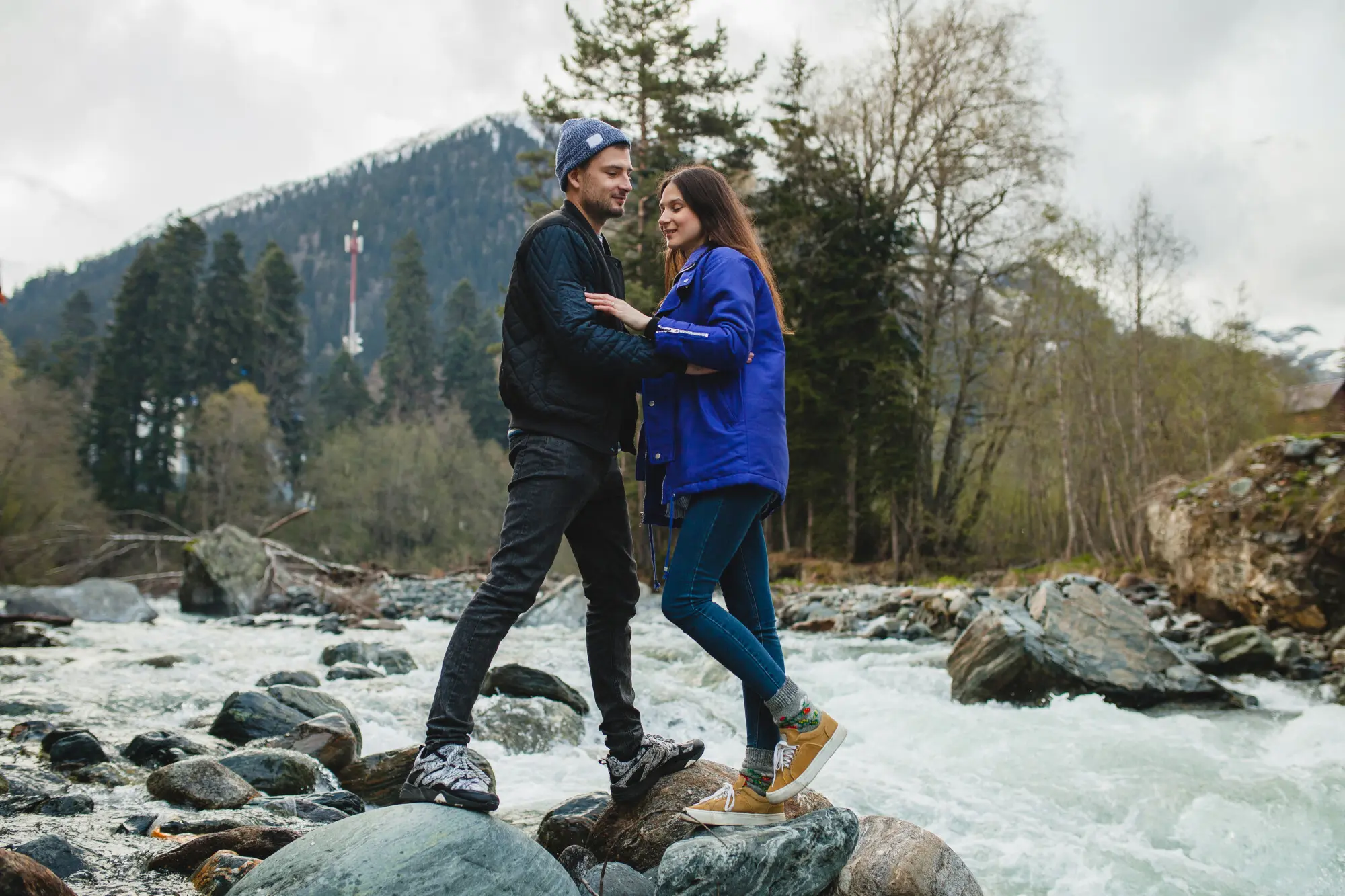
Join friendly communities where walkers log visits, swap route tips, and cheer each other on. Explore mapping apps for shared routes, browse local club calendars, and peek into online forums where beginners ask honest questions. Kind voices demystify jargon, suggest seasonal alternatives, and help you dodge common snags. Together, momentum grows, while confidence quietly blooms with every encouraging reply.
Your First Personal Challenge and How to Keep Momentum

Pick something playful and attainable: perhaps five pillars in five weekends, or three new edges before summer ends. Write it down, invite company, and celebrate each step with a brew and a line in your log. When life interrupts, pause gently, then resume with an easier route. Sustainable habits, not perfect streaks, keep curiosity alive and your boots happily moving.

Fexovexotarixari
Privacy Overview

This website uses cookies so that we can provide you with the best user experience possible. Cookie information is stored in your browser and performs functions such as recognising you when you return to our website and helping our team to understand which sections of the website you find most interesting and useful.